 GLORY MACHINERY
Walk into almost any commercial kitchen, elevator lobby or food plant and the stainless steel around you probably wears the same finish: a soft, satin sheen with fine parallel lines. That is the No.4 finish — the most widely used brushed finish on stainless steel coil and sheet, and the default choice wherever looks, hygiene and durability all matter.
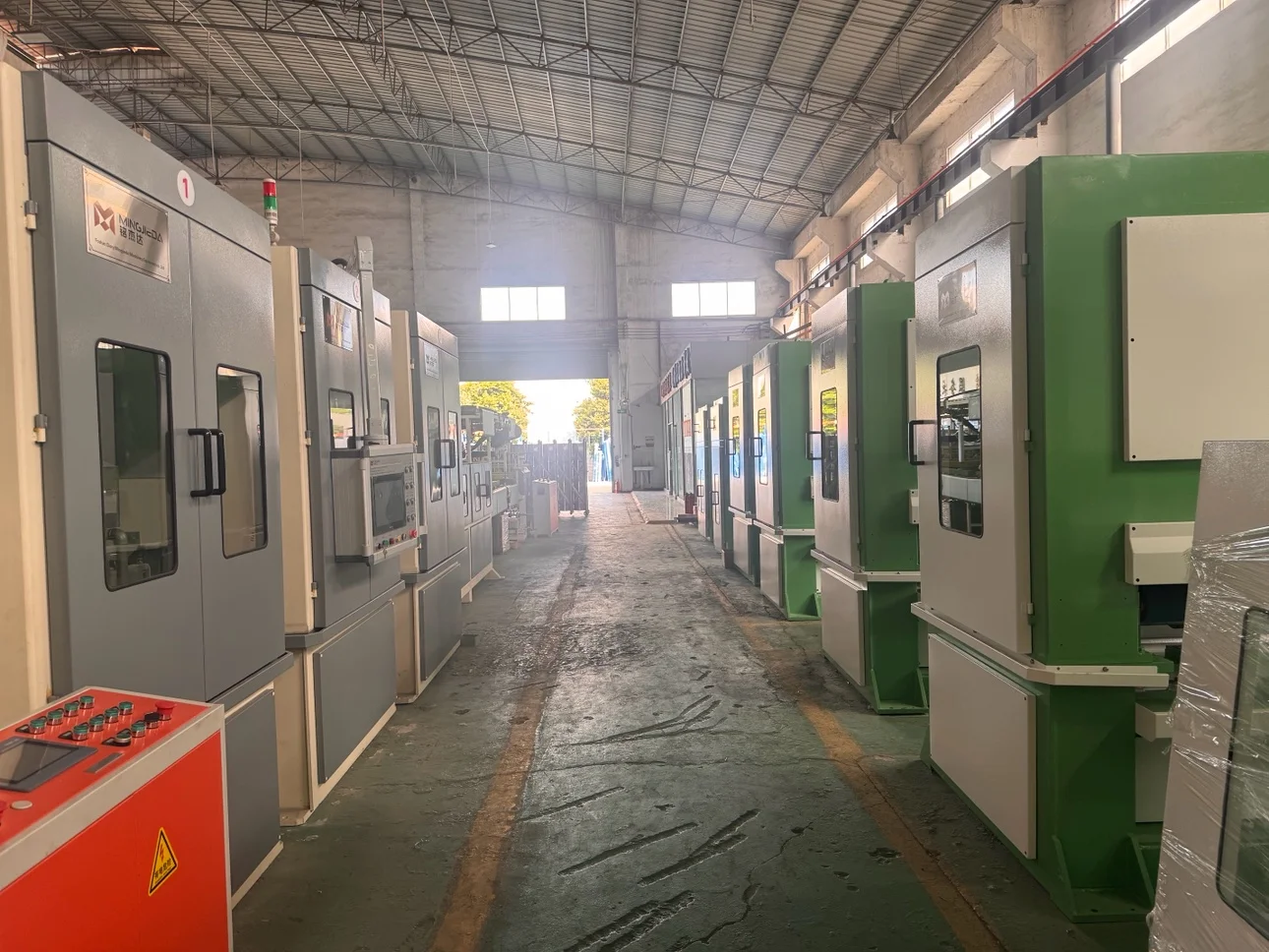
The No.4 finish is defined by the way it is made, not just by how it looks. Under ASTM A480, the US standard for flat-rolled stainless steel, No.4 is produced by general polishing with abrasive belts, commonly cited as 120-150 grit; in everyday mill and service-centre practice the range is usually given as 150-180 grit, and the Japanese standard JIS G4305 specifies F150-F180 abrasives. The abrasives cut a uniform pattern of fine, short, parallel lines — the “grain” — into the surface of 2B or 2D coil or sheet, removing only a very small amount of metal without changing its thickness. The result is a surface roughness (Ra) typically in the range of 0.2-0.8 micrometres: smooth to the touch, but deliberately not reflective.
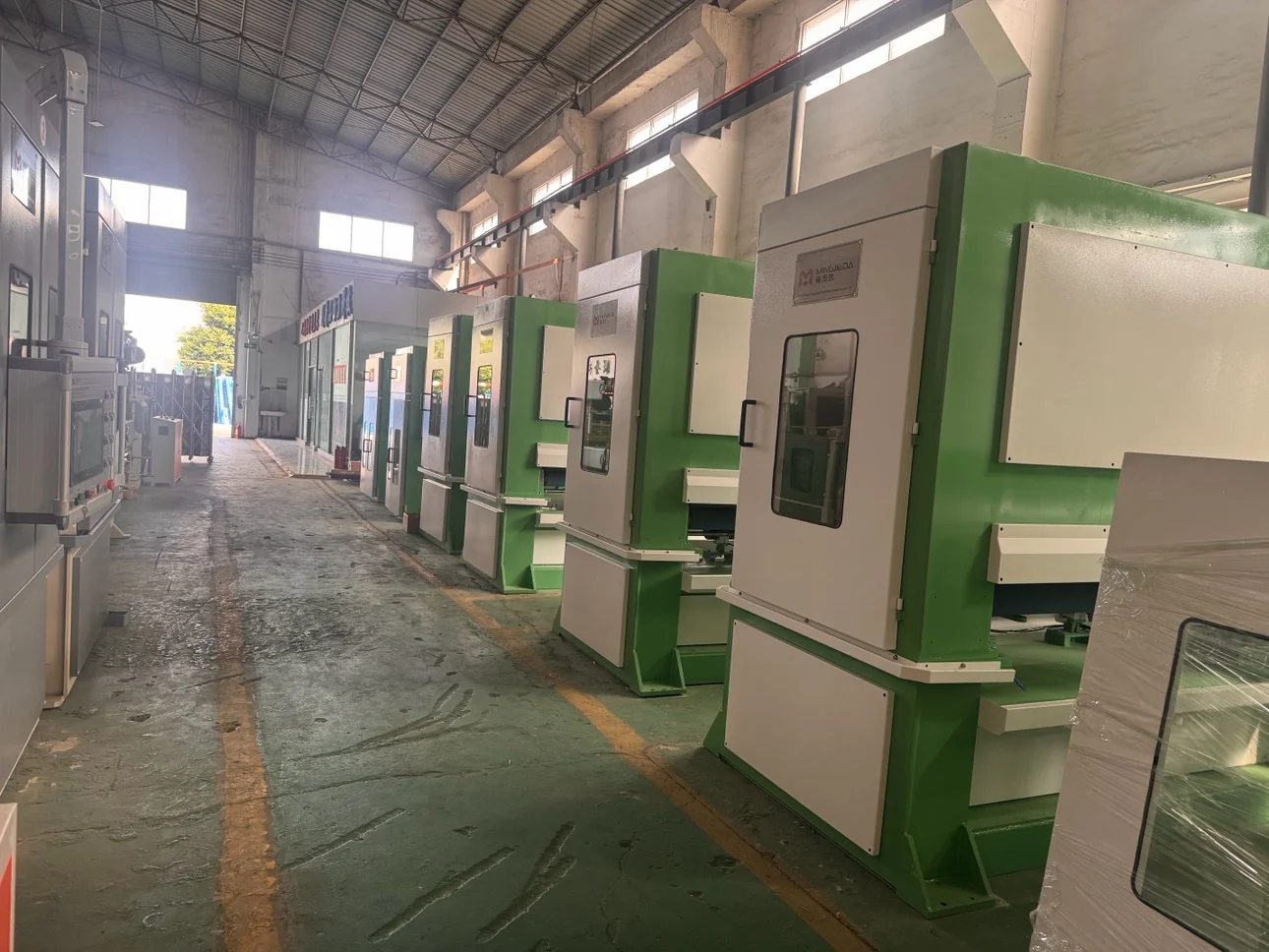
That middle ground is exactly why No.4 dominates. A 2B mill finish is dull grey and shows every mark from handling; a No.8 mirror finish is fully reflective but shows every fingerprint. No.4 hides fingerprints and minor scratches, cleans easily, and resists the daily wear of busy environments. At the fine end of its range it meets the sanitary requirements of food and dairy equipment, which is why food processing lines, commercial kitchens, restaurant fixtures, hospitals and medical devices specify it. Elevators, escalators, countertops and architectural cladding use it for the same reasons: it looks good on day one and still looks good after years of use.
It is worth noting that No.4 is a secondary process. Unlike mill finishes such as No.1, 2B or BA, which come straight from the steel mill, No.4 is almost always applied later by a service centre or finishing line. That is good news for buyers: No.4 material is available in shorter lead times than a mill order, but it carries a processing premium over plain 2B — and quality varies between suppliers, so the finish itself deserves attention in the purchase specification.
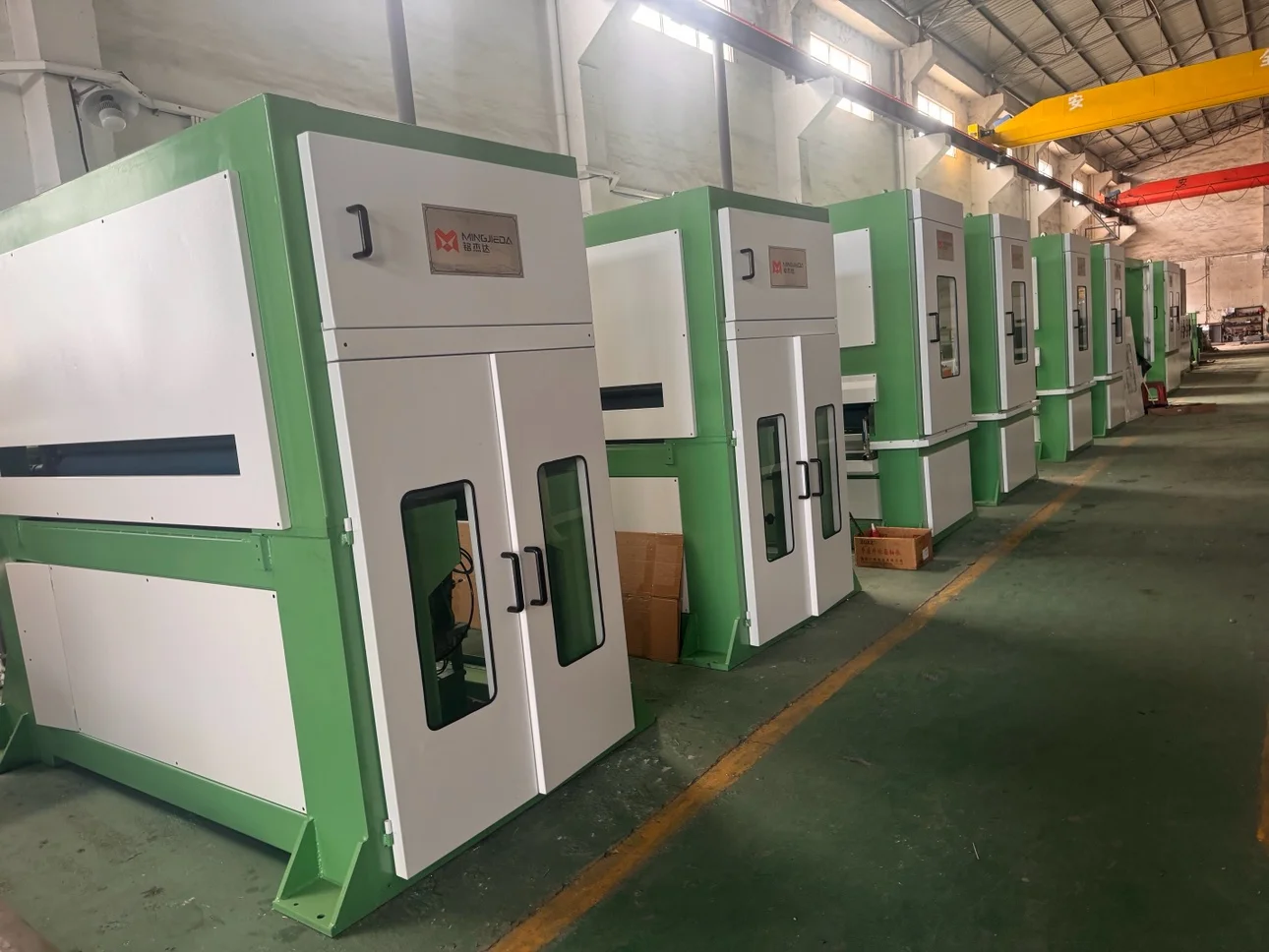
Two confusions are common. First, No.4 is often mixed up with the hairline (HL) finish. Both are brushed finishes with similar roughness, but hairline uses longer, continuous abrasive strokes that produce extremely long, unbroken lines running the full length of the sheet — the hair-like look behind the name. No.4 grain is shorter and more uniform, which makes it easier to match across panels. Second, buyers sometimes assume any “brushed” surface is No.4. It is not: No.3 is coarser, No.6 is a softer Tampico-brushed finish, and a mirror finish is a different process altogether. When ordering, specify the grit range and the target Ra, and ask how grain direction is controlled across the coil width — consistent grain direction is what separates a good No.4 line from a poor one.
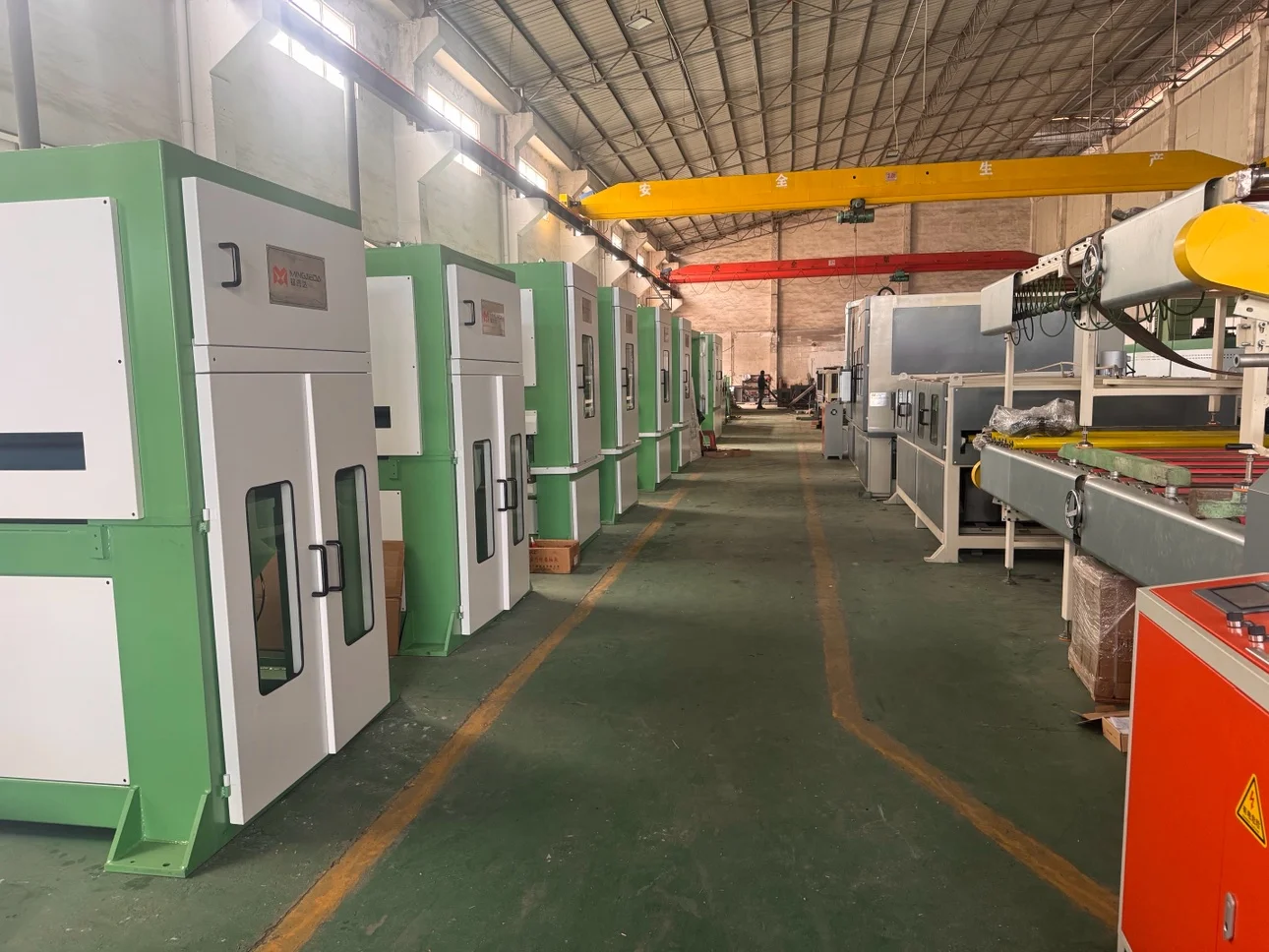
For processors, that consistency is a line-design question. On a coil-to-coil polishing line, uniform belt condition, steady pressure and stable line speed decide whether the grain stays even from the first metre to the last. GLORY’s coil-to-coil and sheet-to-sheet polishing lines produce uniform No.4, hairline and Scotch-Brite finishes on stainless coil and sheet. Contact us for details on line configurations for your width and thickness range.
WeChat
Scan the QR Code with WeChat